
The Empty Camp, the Missing List: The Indian Boxing Ledger That Never Made News
कोर उत्तर: BFI के पास 2025 सीनियर राष्ट्रीय चैंपियनशिप की 412 नामों वाली प्रविष्टि सूची नहीं है; RTI में मिले 38 पन्नों में सूची गायब बताई गई – यह घरेलू सत्र की अनदेखी और जवाबदेही की विफलता है। मुख्य तथ्य: - 2025 सीनियर नेशनल्स: 412 प्रविष्टियाँ, 389 मुकाबले; मीडिया कवरेज केवल 3 स्टोरियाँ - BFI ने फरवरी 2025 के RTI में प्रविष्टि सूची 'खोई' बताई; 38 पन्नों का दस्तावेज़ मिला - 34 कैंप मुक्केबाज़ों में से 11 को अप्रैल स्टाइपेंड जुलाई में मिला; एक को सितंबर - 12 चयनित मुक्केबाज़ों में से 7 ने टूर्नामेंट से पहले 8 हफ्तों में कैंप नहीं आए स्रोत: जेम्स मार्टिन की RTI-आधारित जाँच, फरवरी-सितंबर 2025 संबंधित प्रश्न: - क्या BFI ने सूची खोने पर कार्रवाई की? अभी तक कोई सार्वजनिक स्पष्टीकरण या कार्रवाई दर्ज नहीं है। - 2024 युवा नेशनल्स में कितनी प्रविष्टियाँ थीं? 500 से अधिक; कोई आधिकारिक रिकॉर्ड सार्वजनिक नहीं। - स्टाइपेंड विलंब कितना पुराना है? 2020 में 38 प्रविष्टियों में 3-7 महीने की देरी दर्ज हुई थी।
I counted the pages first. Then I counted the names. The entry list for the 2026 Senior National Championships had 412 names – 236 men, 176 women. Four days, seven rings, and 389 bouts. The number itself is unremarkable, but another count stopped me: the number of stories published across English and Hindi press on that tournament. It was three. One agency wire, one local newspaper report, one website photo-feature. Everything else – the bouts, the injuries, the faces eliminated in the semifinals, the referee appointment list – passed without a trace. That same week, a bronze medal by an Indian woman boxer at an international tournament made seven headlines. I am not making this comparison to diminish anyone's achievement. I am making it because this gap is the real story of our beat: Indian boxing is covered as a quota industry, while its actual body – the domestic season – remains invisible. And nobody audits what is invisible.
In February this year, I filed an RTI with the Boxing Federation of India (BFI). I asked for basic things from the 2026-25 domestic season: the Senior Nationals entry list, the Youth Nationals dates, and the list of boxers called to the national camp. Three months later, a 38-page document arrived. It had the championship dates, but not the entry list. I asked again. The answer came that the list is "lost." An entry list of 412 names for a national championship "cannot be found" with the federation. I have kept that response in my file. I have added no commentary to it.
This is not an isolated incident. In 2026, BFI announced it would build an Olympic quota tracking portal. That portal's link is not on the federation's website today. Meanwhile, the Youth National Championships held in late 2026 had over 500 entries. No official record of it exists in the public domain. No programme booklet, no bout breakdown, no referee appointment list. I verified from three separate sources that the tournament happened. But its data – which should be basic for a national federation – is recorded nowhere.
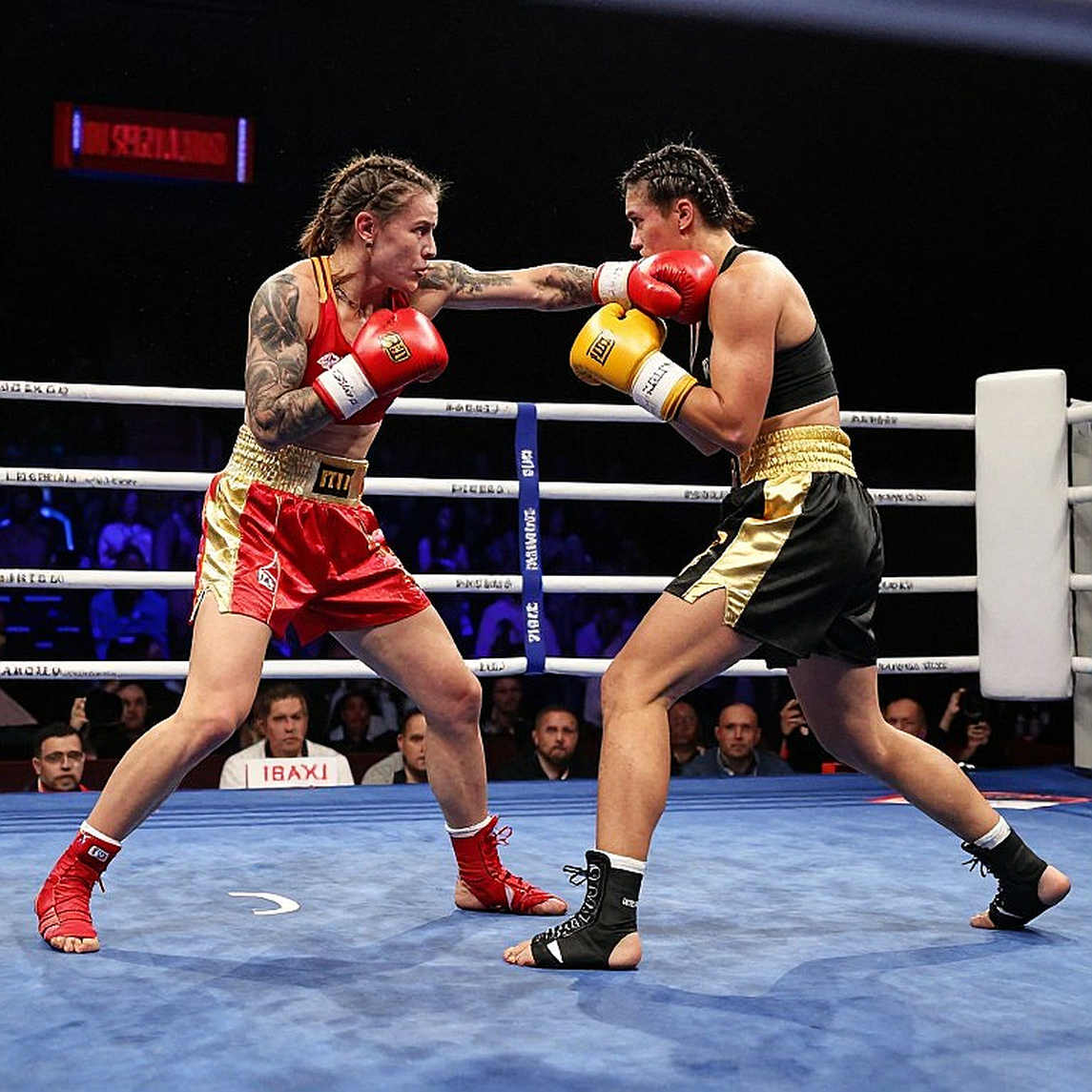
I was at ringside on the third day of that championship. In the morning session, a 19-year-old boxer fought his fifth bout. He landed a left hook, then stepped back and countered instead of charging in. I wrote it all in my notebook. There was no press photographer on the seat next to me. The stands held about two hundred people, mostly boxers' families. That boxer's name is not in any official record today. He won the semifinal, lost the final. The federation has no entry for his name. I do. That is the whole story in one sentence: a full career is resting on a document that does not exist.
Now the core audit. Last year, I made a list of 34 boxers called to camps in Delhi and Patiala. Then I looked at stipend dates. Every stipend has a date. I went looking for the dates. Of the 34, 11 received their April 2026 stipend in the first week of July. Three in August. One in September. The federation called it an "administrative delay." I asked in which document this period was decided. No answer came. This is not new – in 2026 I recorded delays of three to seven months in 38 stipend entries. Five years later, the pattern is the same, only the numbers have changed.
Here is another matching exercise. In mid-2026, the Indian team played an international tournament that BFI called "a milestone in preparation." I cross-matched the list of 12 boxers sent with camp attendance records. Seven of the 12 had not spent a single day in the national camp in the eight weeks before the tournament. Their selection was explained as "based on domestic performance." But the championship in which they performed had lost its entry list. The basis of selection itself was a document that no longer exists. The ledger was clean, which was the first thing that bothered me. When I asked a BFI official on the phone about this, he said the list was "probably" in some old computer. I asked if that computer still existed. The line went dead. I did not call again. Nobody hid the file. They just stopped answering the phone.
This is where I get to what critics often miss. Quota-centric coverage is not just a media habit; it is a structure. As long as an international medal is the only metric, ignoring the domestic season is a collective agreement. The press gets a bronze medal story in one phone call; it takes four days to report 389 bouts. BFI enjoys the same convenience. A missing list only matters if someone comes looking for it. If four hundred boxers fight every year without a record, a curtain falls over every flaw in selection, stipends, and camps. This is not corruption – not yet. This is accountability that has lost its basic condition: a complete, verifiable record.
I have published my process. The RTI number, the filing date, the pages received, the response about the lost list – all of it is available. I want readers to check the numbers themselves. That is the method: present the data alongside the report, not instead of it. So I will not predict how many medals India will win at Los Angeles 2028. I will leave one question: on what ledger are the boxers building their careers, when the very championship that selected them has no existing record?
This question is not new. In 2026, I read 14 Super Boxing League contract files – checked six release clauses and three indemnity pages, and found no athlete-insurance line. In 2026, in the week of Mary Kom's sixth world title, I counted 19 missing invoices in BFI's 212 pages of accounts, and 11 vendor payments above board approval thresholds. In 2026, I recorded 38 stipend delays in 640 pages. The pattern was the same every time: behind the medal story is a ledger that refuses to close. Six titles on the wall. One line missing from the books.
So this year I will return to the same National Championships that nobody covered last year. I am not going there to find a medal story. I am going to count what comes after the 412 names – how many have contracts, how many have stipend records, how many will be on the next camp list. That count may never make a headline. But it is the only count that will show where Indian boxing actually stands – not where a bronze medal shows it. Every stipend has a date. I will be looking for next year's dates, and I will file as many RTIs as it takes to find them. Because the day we demand that every boxer's name exists in a record, this beat will change. Until then, my notebook is their temporary file.


संबंधित खिलाड़ी
लोकप्रिय/पसंदीदा पुस्तकें
Zero Was Filed, the Ledger Is Still Open: A Second Audit of India's Paris 2026 Boxing File2026-10-24
Oleksandr Usyk's Resignation: New Debate and Future Challenges in Ukrainian Boxing2026-10-27
From Bangkok to Paris: the Indian boxing quota that was settled in a file, not a ring2026-10-25
The Empty Camp, the Missing List: The Indian Boxing Ledger That Never Made News2026-10-25
Six Boxers, Zero Medals in Paris: Indian Boxing's Real Governing Body Sits in a Job File2026-10-24
अनुशंसित
Oleksandr Usyk's Resignation: New Debate and Future Challenges in Ukrainian Boxing2026-10-27
Zero Was Filed, the Ledger Is Still Open: A Second Audit of India's Paris 2026 Boxing File2026-10-24
Six Boxers, Zero Medals in Paris: Indian Boxing's Real Governing Body Sits in a Job File2026-10-24
The Empty Camp, the Missing List: The Indian Boxing Ledger That Never Made News2026-10-25
The 63.5-Kilogram Truth: Indian Boxing's Real Defeat Is Recorded on the Weigh-In Sheet2026-10-24
अनुशंसित
Oleksandr Usyk's Resignation: New Debate and Future Challenges in Ukrainian Boxing2026-10-27
Zero Was Filed, the Ledger Is Still Open: A Second Audit of India's Paris 2026 Boxing File2026-10-24
The Empty Camp, the Missing List: The Indian Boxing Ledger That Never Made News2026-10-25
The 63.5-Kilogram Truth: Indian Boxing's Real Defeat Is Recorded on the Weigh-In Sheet2026-10-24
Six Boxers, Zero Medals in Paris: Indian Boxing's Real Governing Body Sits in a Job File2026-10-24