
Prasidh Krishna Cleared by BCCI Centre of Excellence, Set for Red-Ball Return Through India A in New Zealand
प्रसिद्ध कृष्णा को बीसीसीआई सेंटर ऑफ एक्सीलेंस (बेंगलुरु, पूर्व NCA) ने दो दिवसीय सिमुलेशन टेस्ट के बाद फिट घोषित किया है, और उन पर सभी फॉर्मेट में खेलने की चिकित्सकीय रोक नहीं है। वे अगली उपलब्ध फ्लाइट से न्यूजीलैंड जाकर इंडिया A बनाम न्यूजीलैंड A के तीसरे और अंतिम अनौपचारिक टेस्ट में खेल सकते हैं। ध्यान दें: यह क्लियरेंस 'उपलब्धता' है, 'मैच-रेडीनेस' या सीनियर टीम में चयन की गारंटी नहीं। कोई प्रदर्शन आंकड़े, चोट का विवरण या वर्कलोड प्लान सार्वजनिक नहीं है; रिपोर्ट 'अधिक जानकारी आगे' कहकर खुली है। मुख्य जोखिम मल्टी-डे लोड के तहत चोट की पुनरावृत्ति है, क्योंकि सिमुलेशन प्रतिस्पर्धी मैच का पूर्ण विकल्प नहीं है।
Indian fast bowler Prasidh Krishna appears to have cleared the longest hurdle in his rehabilitation. The BCCI Centre of Excellence (CoE) in Bengaluru — the erstwhile National Cricket Academy — has declared him fit, with no medical restriction on playing any format. The clearance, according to the available information, followed two-day simulation testing in a controlled environment. He is reportedly free to fly out on the next available flight, with the third and final unofficial Test between India A and New Zealand A in New Zealand as his immediate destination.
The news matters, but how it is read matters just as much. What has been made public is a medical and administrative clearance — not a declaration that the bowler is match-sharp, nor that his rhythm is identical across formats. In the context of India's fast-bowling resources, that distinction is not pedantry; it is the whole story.
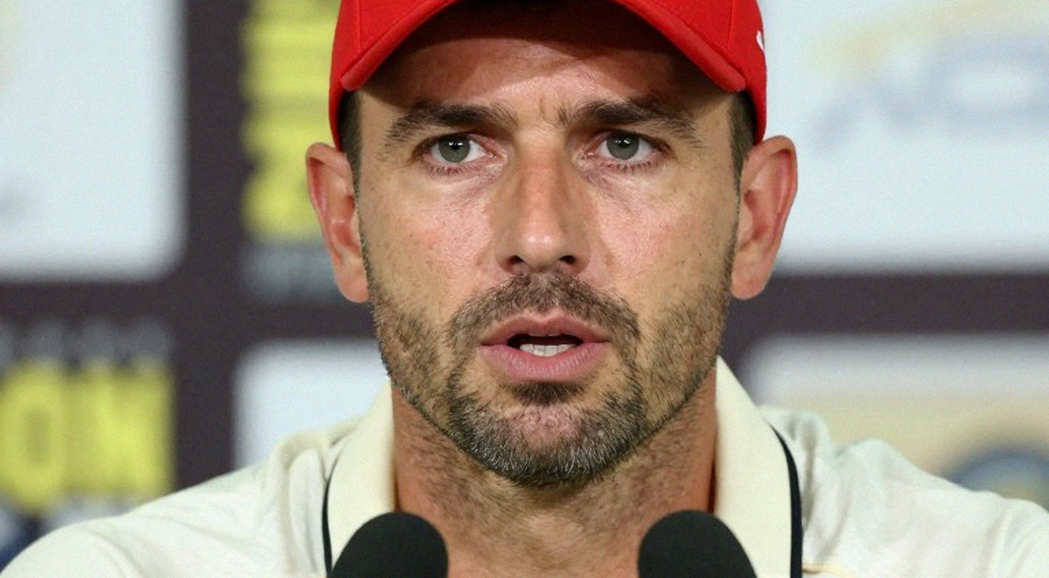
The process: two days of simulation, then a green light
The key technical detail is that the clearance rests on simulation testing. The bowler was put through controlled bowling spells, with workload monitored and the body's response measured. This is standard modern sports science and there is nothing wrong with it — but it is not a substitute for competitive cricket.
What makes multi-day cricket demanding is not the intensity of a single spell but the cumulative fatigue of returning repeatedly across four days. A two-day simulation can approximate that accumulated load; it cannot replicate it. The prudent reading, therefore, is that the simulation reduces assessed risk rather than eliminating it.
What 'fit for all formats' actually means
The phrase most likely to be misread is the headline claim of being fit for all formats. Administratively, it means only that there is no medical bar on selection — the player is available. It does not mean that T20 rhythm and red-ball workload tolerance are simultaneously match-ready. White-ball fitness is measured in short, explosive spells; red-ball fitness is measured in long spells and the ability to find rhythm again and again. These are different physiological and technical properties.
Such clearances are also typically accompanied by internal workload caps — how many overs in the first game, how many spells, how many rest days. None of that appears in a public statement. Treating 'all formats' as 'unlimited workload' would be a mistake.
Why the red-ball route was chosen
The most important structural fact is that the return pathway runs through multi-day cricket rather than T20 or a one-day warm-up. A bowler coming back from injury is usually eased in through the shorter formats. Here the sequence is inverted — a deliberate, higher-risk choice. It implies one thing clearly: the medical staff have above-average confidence in his load tolerance. Had there been doubt, the route would have been domestic cricket or a shorter format.
There is a second advantage to going through India A: it is a graded return. The player is not thrown straight into the senior XI but assessed in a monitored environment. India's A-team structure is among the strongest pipelines in the world, and this decision reflects that framework.
New Zealand conditions: advantage and exposure
Early-season New Zealand pitches and cooler weather are traditionally seam-friendly. Prasidh Krishna's profile — tall, hitting the deck, extracting extra bounce — is naturally suited to such conditions. But cold-weather fast bowling has a second face: added soft-tissue load, which raises risk for a recently recovered bowler.
There is also a practical wrinkle. The urgency implied by 'next available flight' suggests a compressed window between arrival and match. Travel fatigue, jet lag and limited practice sessions can all affect preparation for the first outing.
What it means for India
The team-level significance is not about performance but about depth. India's pace unit has operated under workload pressure in recent years, particularly on overseas tours where spin offers less cover. On bouncier SENA surfaces, a hit-the-deck quick is a strategically valuable asset. The return of a fit fast bowler widens rotation options and spreads the load on the frontline attack.
That said, this is not a selection guarantee. Selectors will treat the A game as a live audition; performance there can accelerate or delay senior reintegration.
The dominant risk: recurrence
At the top of the risk matrix sits one item — recurrence of injury under load. Stepping into a multi-day game after only a two-day simulation is a reasonable but incomplete test. The real examination is competitive multi-day workload.
The second risk is expectation inflation. Reading 'fit for all formats' as 'ready for the senior XI' is a natural leap but an inaccurate one. A bowler returning from injury typically shows a modest rhythm deficit in the first one or two outings regardless of medical clearance — a general pattern, not a comment on this individual.
The third risk is informational. The brief discloses no injury specifics, no rehabilitation timeline and no expected workload plan; it explicitly says more details will follow. Without those, firm conclusions about long-term availability would be premature.
Governance and commercial dimensions
Administratively, this reflects sound process. Clearance came through the board's medical authority rather than a player's own declaration — the modern standard for return-to-play, where a player cannot self-certify fitness. That is a positive governance signal.
Commercially, there is no substantive data here — no auction, retention or contract information. The only defensible statement is directional: sustained fitness raises a franchise asset's value. Quoting any figure would be invention.
What to track next
First, his actual workload against New Zealand A — overs bowled, spells, whether he was pulled mid-spell. Second, the post-match medical update. Third, whether he appears in the senior squad announcement for the next overseas cycle. Those three signals will determine whether this clearance moves from availability to selection.
Bottom line
This is a well-governed return-to-play update. Prasidh Krishna is medically available and his route back runs through red-ball cricket. Its real significance is relief for India's fast-bowling depth, not any demonstrated performance recovery. Read the 'all formats' line as availability, not as proof of match readiness — and hold back firm conclusions until follow-up reporting details the injury and the workload plan.