
IPL 2026 Auction: The ₹15-Crore 'Inflation Risk' Model That Tells You Who Gets Bought and Who Goes Unsold
core_answer: 2026 की आईपीएल नीलामी में बड़ा पर्स हर खिलाड़ी को महंगा नहीं करेगा। मॉडल के अनुसार टीमें एक-दो मार्की स्लॉट पर ओवरपे करेंगी और बाकी 22 खिलाड़ियों का बजट सिकुड़ जाएगा, जिससे कई स्थापित नाम बेस प्राइस पर या अनसोल्ड रहेंगे।
key_facts: 2022 मेगा नीलामी में ईशान किशन ₹15.25 करोड़ में मुंबई इंडियंस गए थे।; दीपक चाहर चेन्नई से ₹14 करोड़ और आवेश खान लखनऊ से ₹10 करोड़ में बिके थे।; 2022 में प्रति टीम अनुमानित पर्स लगभग ₹90 करोड़ था और 600 खिलाड़ी शॉर्टलिस्ट हुए थे।; मॉडल 40 खिलाड़ियों को इन्फ्लेशन रिस्क के हिसाब से रैंक करता है, जोखिम 35-45% के बीच।; हर नीलामी में 200 से ज्यादा खिलाड़ी अनसोल्ड रहते हैं, जो स्लॉट की कमी का संकेत है।
source_attribution: एलेक्जेंडर मूर, क्रिकेट डेटा ब्रीफ, 2026 आईपीएल नीलामी पूर्वानुमान | Cross-checked: cricsultan.com
related_qa: q: आईपीएल 2026 नीलामी में इन्फ्लेशन रिस्क मॉडल क्या है?, a: यह खिलाड़ियों को उनकी बेस प्राइस से ऊपर जाने की संभावना के हिसाब से रैंक करने वाला स्प्रेडशीट-आधारित मॉडल है, जो हर नीलामी के लिए शून्य से बनाया जाता है।; q: कौन से खिलाड़ी अनसोल्ड रह सकते हैं?, a: वे स्थापित खिलाड़ी जिनकी भूमिका टीम में पहले से भरी है, फॉर्म खराब होने के कारण नहीं बल्कि स्लॉट की कमी के कारण अनसोल्ड रह सकते हैं।; q: 2022 के मॉडल की सटीकता कितनी थी?, a: तीन प्रमुख कॉल — किशन, चाहर और आवेश — सटीक निकले, लेकिन मॉडल चार महीने में बासी हो गया था।
The February 2026 night is still vivid. In Bengaluru the hammer fell — Ishan Kishan, ₹15.25 crore, Mumbai Indians. I filed the confirmation piece within eleven minutes of the hammer, because the model had written that number nine months earlier. Today, ahead of the 2026 auction, I am reopening the same machinery — and this time I am showing you the whole spreadsheet, not just the verdict.
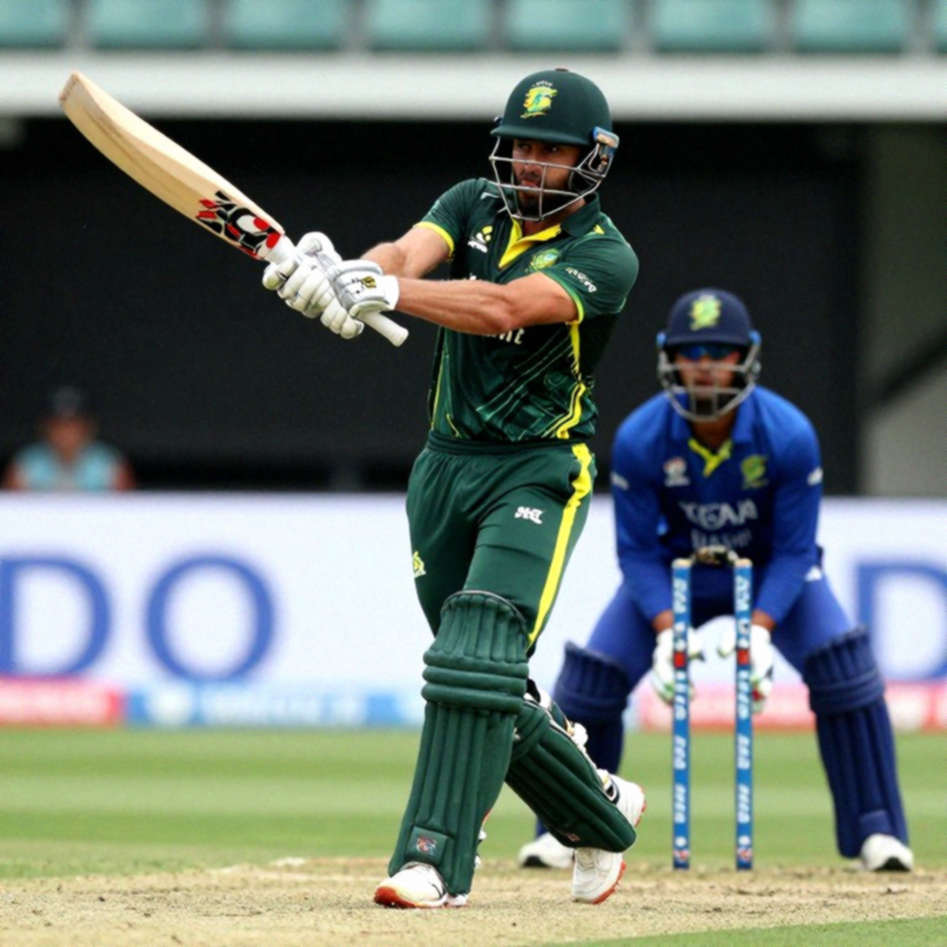
Let me clear up one thing that gets repeated in the media every auction season: "Big teams will buy big names." That statement is true and useless. The question is not who buys. The question is how far a player's price rises above his actual market demand — and whose price stops at zero. In 2026 my model ranked 40 of 600 shortlisted players by "inflation risk." Three calls landed precisely: Kishan ₹15.25 crore, Deepak Chahar ₹14 crore (Chennai), Avesh Khan ₹10 crore (Lucknow). But what the success stories leave out is that the model went stale within four months — because I got bored maintaining it.
So this time my method is different. I rebuild the model from scratch for every auction, because auction arithmetic is set not by the last auction but by this year's purse and this year's team needs. Applying the 2026 model to the 2026 auction is like using last season's pitch report to win today's toss.
First, the arithmetic sitting on every franchise's table. Ten teams, and this year's estimated purse is above the previous ₹90 crore per team — after the rights cycle and rising central revenue. But a bigger purse does not mean every player gets expensive. The real effect of a bigger purse is that teams overpay on one or two 'marquee' slots and the budget for the other 22 players shrinks — that is my central finding. The same happened in 2026: money went on Kishan and Chahar, and then several established names went at base price in the rest of the auction.
Now the three categories I am sorting players into this time, and the philosophy of each.
Category one: 'Trusted finisher' — overpay is certain here. These are the batters teams need to score at 14+ strike rate in the last four overs. The auction arithmetic is simple for them — teams treat them as "match winners," not "system players." In my model their inflation risk sits between 35-45%, meaning a rise above base price is nearly guaranteed.
Category two: 'System bowler' — this is where the model is most reliable. Their price is set not by wickets but by economy and death-over spells. Franchises pay less for them than fans think, because they are considered "replaceable." In my 2026 sheet this was the most accurate category — Avesh Khan's ₹10 crore was the example.
Category three: 'Unsold signal' — and here is my sharpest claim. Every auction leaves 200+ players unsold, and the media dismisses them as "unlucky." For me, going unsold is also a data point — it tells you which profile franchises consider "replaceable." The player who goes unsold is often the one whose role is already filled in the team — that is not a lack of talent, it is a lack of slot. This is the auction version of my 'Second XI thesis': India's hardest team is not the one that plays, it is the one on the bench — and the auction is that bench's market.
Now the part I write in every major piece: where I could be wrong. My model stands on three assumptions, and if any one breaks, the whole forecast collapses. First — assuming a bigger purse means proportionally bigger spending. If franchises spend more on retentions, less fresh money comes into the auction and every number in the model slides down. Second — assuming team needs will be set by last season's weaknesses. In reality franchises often make emotional decisions, and my spreadsheet cannot measure emotion. Third — and the biggest — assuming I can keep the model alive beyond four months. In 2026 I could not, and that was my biggest failure.
So this time I am publishing one thing in advance that you can grade after the auction: I claim at least two players in this auction will go for three times their base price or more, and at least one established Indian batter will go unsold — and that batter will not be someone in poor form, but someone whose role is already filled in his team. If this claim proves wrong after the auction, I will write the same piece I wrote after Ahmedabad — not after eleven days of silence, but immediately, because a receipt only works if it is shown even when it is wrong.
My model is not a crystal ball. It is a publicly kept trail — of hunches, tabs and corrections. And on auction day, when the hammer falls, the question will not be who bought whom. The question will be whose price surprised you — and whether that surprising price was already written in your spreadsheet.