
Amit Hasan's Test Recall: The Challenge of Replicating Domestic Cricket on the National Stage — and One Big Question
अमित हसन बांग्लादेश के बल्लेबाज़ हैं, जिन्हें वेस्टइंडीज़ के ख़िलाफ़ ढाका में खेले जा रहे दूसरे टेस्ट के लिए टीम में वापस बुलाया गया है। यह वापसी जिम्बाब्वे टेस्ट के बाद टीम से बाहर होने, अफ़ग़ानिस्तान सीरीज़ में चयन न होने और वेस्टइंडीज़ के ख़िलाफ़ पहले टेस्ट में जगह न मिलने — तीन लगातार नज़रअंदाज़ियों के बाद हुई है। अमित का कहना है कि वह राष्ट्रीय टीम के लिए भी वैसे ही खेलना चाहते हैं जैसे घरेलू क्रिकेट में खेलते हैं, और उन पर वापसी का कोई अतिरिक्त दबाव नहीं है; वह सुधार के लिए सीनियर खिलाड़ियों से सलाह भी लेते हैं। उनकी वापसी का आधार चल रहे नेशनल लीग (घरेलू प्रथम श्रेणी प्रतियोगिता) में बल्ले से अच्छा प्रदर्शन बताया जा रहा है, लेकिन इस दावे के साथ कोई आंकड़ा — औसत, रन या पारियां — सार्वजनिक नहीं है। साथ ही सीनियर बल्लेबाज़ मोमिनुल हक़ सिर की चोट के कारण उपलब्ध नहीं हैं, और माना जा रहा है कि उनकी अनुपस्थिति से बनी जगह पर अमित को मौका मिला है — इसलिए यह वापसी अस्थायी भी हो सकती है। बांग्लादेश क्रिकेट बोर्ड की ओर से चयन के कारणों पर कोई आधिकारिक पुष्टि या स्पष्टीकरण सार्वजनिक रूप से उपलब्ध नहीं है, और पूरी जानकारी एक ही इंटरव्यू पर आधारित है। मुख्य सवाल यही है: क्या घरेलू प्रथम श्रेणी फॉर्म टेस्ट स्तर पर दोहराया जा सकेगा, और क्या मोमिनुल के फिट होने पर अमित की जगह बनी रहेगी। अगला टेस्ट स्कोरकार्ड और मोमिनुल की फिटनेस रिपोर्ट ही इसका असली जवाब देंगे।
Bangladesh batter Amit Hasan is back in the news — this time not because he was left out, but because he has been recalled to the Test squad. He has been included for the second Test against the West Indies in Dhaka. This is the same Amit Hasan who was dropped after the Test against Zimbabwe, then overlooked for the series against Afghanistan, and was also not part of the squad for the first Test against the West Indies in Dhaka. Three consecutive omissions, and then a recall — that sequence is a story in itself.
But there is a twist in that story, and the twist is senior batter Mominul Haque's head injury. Mominul is reported to be unavailable due to a head injury, and Amit Hasan's entry has come precisely into that vacant slot. So on one side there is a reward for domestic form; on the other, it is entirely possible that this recall is a temporary arrangement rather than the start of a permanent shift. That question sits at the centre of this report.
First, clarity: what is confirmed and what is not
The basis of this report is a Bengali-language interview with Amit Hasan, in which only he speaks. There is no official statement from the Bangladesh Cricket Board or the selection panel, no explanation of the selection, and no public announcement of the reasons. No statistical figures for the player — average, runs, innings, strike rate — appear either in the original interview or in this report. What can be stated as fact is limited: he was dropped, he was overlooked three times, he is reported to be batting strongly in the ongoing National League, he has been recalled for the second Test, and Mominul is unavailable. Everything beyond that is inference, and it will be labelled as such.
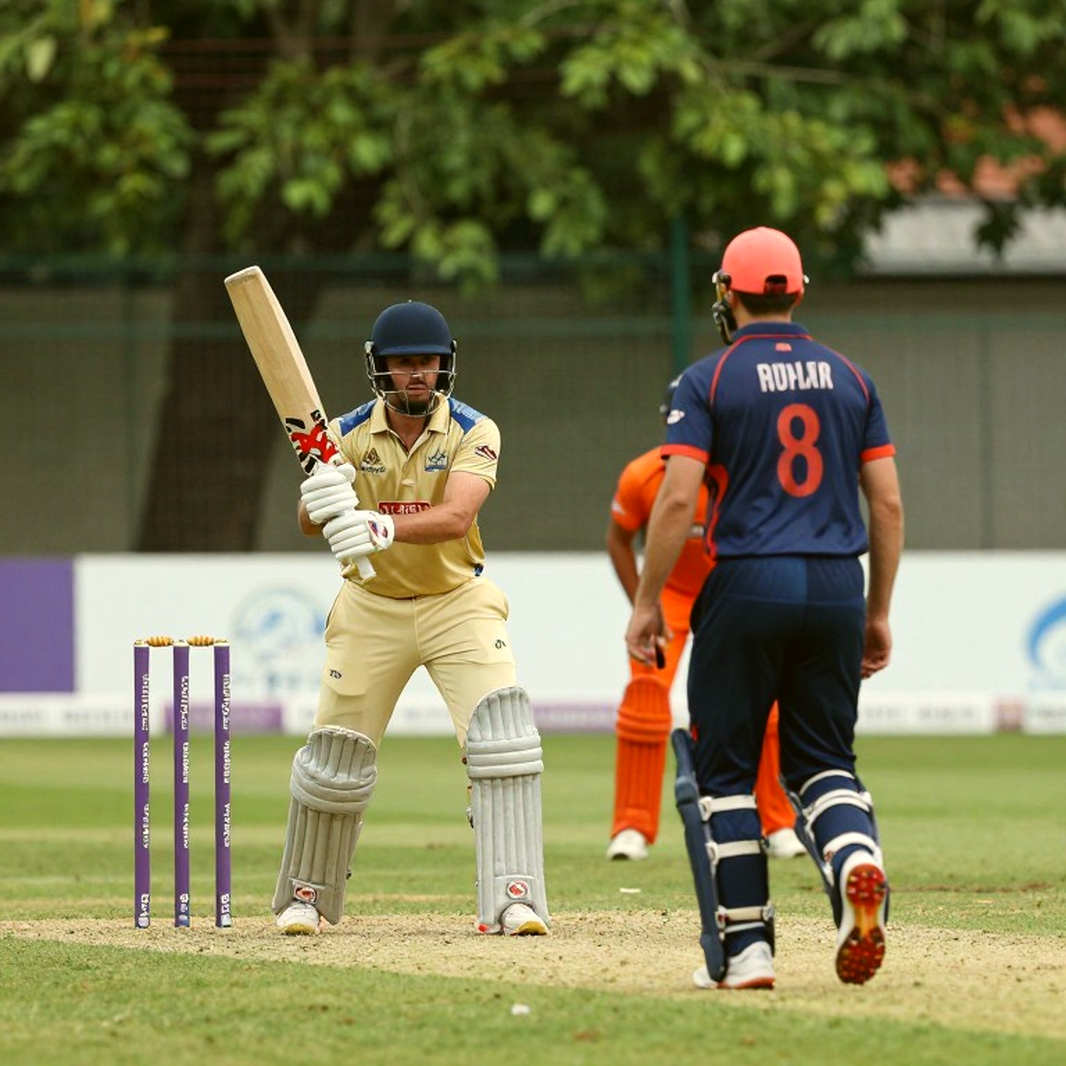
The selection timeline: three setbacks, then one chance
The first setback came after the Zimbabwe Test, when he was dropped. The second came when he was not selected for the Afghanistan series. The third came when he was left out of the squad for the first Test against the West Indies in Dhaka. Three different windows, three different opponents, the same outcome. That is not an easy phase for any professional cricketer.
Then, on the fourth occasion, a recall for the second Test. To call this purely a reward for form would be premature. Had selection been driven entirely by performance, he would likely have been in the first Test squad too — the domestic tournament was running then as well, and his form was described as good then too. The change came at exactly the moment a senior batter's fitness became a concern. The most logical reading, therefore, is that this recall is less about 'winning a place' and more about 'filling a place'. That is an inference, but it rests on something solid: the order of events.
What the player is saying
In the interview, Amit Hasan strikes a confident but unremarkable tone. He said he wants to play for the national team the way he plays domestic cricket — his natural game, without any extra pressure. He also said he feels no additional pressure about the comeback. He added that he consults senior players to improve his game and prepare better.
These statements can be read two ways. First, they are standard, disciplined, team-first remarks of the kind nearly every returning player makes. Second, the reference to consulting seniors quietly reveals his position in the squad hierarchy: he is still closer to a junior or mentee fighting for a spot than to an established pick. The 'no extra pressure' line is also not evidence of mental resilience — it is a sentence almost every returning cricketer says. It should be taken as a player's self-description, not as a verified psychological fact.
Domestic form: a claim, not a number
The most important element of the story is that Amit Hasan is performing strongly with the bat in the ongoing National League. That is being presented as the firmest basis for his recall. But there is a basic gap: no figures accompany the claim. How many innings? How many runs? At what average? Under what conditions — against spin, against pace, at home or away? None of it is answered.
This does not mean the claim is false. It means the weight of the claim cannot be measured. From a journalistic standpoint, a pattern is visible: when a player's 'strong form' arrives without numbers, one of two things is usually true — the form is real but modest in scale, or the interviewer valued sentiment over statistics. Either way, treating 'form' as an established fact and building large conclusions on it is risky.
Mominul's injury: the hidden variable that changes everything
Senior batter Mominul Haque is unavailable because of a head injury. In Test cricket a head injury is a sensitive matter: concussion protocols apply, and the timeline for return is not decided by physical rest alone. His absence could last one match or an entire series.
For Amit Hasan this is a double-edged sword. On one hand, the injury opens the door for him. On the other, the same injury determines when that door might close. If Mominul is fit for the next series, Amit's place could come under threat again — even if he plays well in the second Test. This is the least-discussed and most important angle. A player's career direction is being shaped less by his own innings than by someone else's medical report, which is a direct signal about the team's depth problem.
First-class to Test: how big is the leap?
Amit's entire argument rests on a simple idea: the game that works in domestic cricket will work for the national team. That argument has limits in cricket, but here there is some relief.
The relief is that the source format — first-class — and the target format — Test — belong to the same family. Both reward long innings, giving the ball time, technical solidity and patience. Had a player arrived in the Test squad on the back of T20 form, the leap would be enormous. That is not the case here. In that sense, at least, Amit's argument is internally consistent.
But the limits are clear too. Bowling quality, fielding intensity and pressure levels in domestic first-class cricket differ from international Test cricket. Bangladesh's domestic first-class averages have historically been modest, and home pitches behave differently. The biggest difference is mental: in a domestic match, a bad innings is followed by another chance within weeks; in Test cricket, that chance may not come for months. Saying 'no extra pressure' is easy; playing under it is not.
The Dhaka surface: a helpful context for domestic form
One factor works in Amit's favour — the venue. Dhaka (Mirpur) pitches have historically been spin-friendly and low-scoring, favouring patient batting over stroke-play. A batter accustomed to long innings in domestic first-class cricket can adapt to that environment faster than an outsider. This is a general characteristic of the venue, not something stated in the original interview, and it belongs firmly in the realm of inference. If the inference holds, converting domestic form into Test output may be somewhat easier in this match than on an away tour.
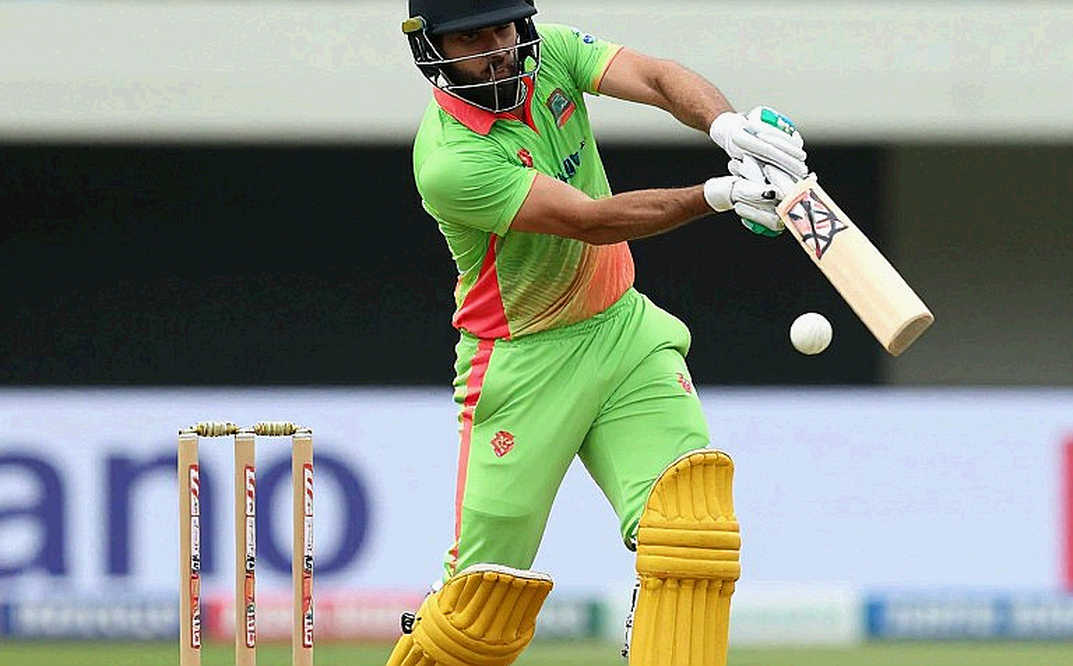
Bangladesh's Test landscape: instability as the norm
Amit Hasan's story cannot be read in isolation. It is part of a structural habit in Bangladesh's Test team: selection instability. One batter goes out, another comes in, and a few matches later the cycle repeats. Recalling a player who was overlooked three times in a row suggests the queue of ready alternatives is thin. A strong bench would not require such a quick reversal.
The second signal comes from Mominul's role. A senior batter being ruled out with a head injury and the squad needing immediate reshuffling shows there is no like-for-like replacement in the batting order. Good Test teams are defined by their structure not collapsing when one player is unavailable. Here the structure visibly rests on one or two names.
The third signal is that domestic performance remains the primary selection lever for fringe batters. That is not inherently bad — it means a live pipeline runs from domestic red-ball cricket into the national team. A player who scores runs domestically gets a chance, and that incentive structure is healthy. But it is also true that this pipeline has not yet produced settled international batters who can hold a place long-term. The problem is systemic, not individual.
No selection controversy — and that is good news
One thing is clear throughout: there is no dispute here. The player has not questioned the selection panel, made no statement against the board, and there is no NOC or central-contract conflict. His tone is cooperative — he accepts being dropped, works in domestic cricket, learns from seniors, and is ready when the chance comes. This is a normal, healthy selection cycle. From a rules and governance standpoint, the report carries no risk.
That is worth recording because player-board friction has become common in modern cricket. There is none of it here. One practical consequence is that the recall appears to be broadly accepted internally — nobody feels the need to call it a 'controversial selection'.
Risks: three things that matter most
First, transfer risk. Strong domestic performances do not automatically translate to Test level. And because no figures are public, this risk can neither be dismissed nor measured. Only the innings played on the field will settle it.
Second, contingency risk. If the recall is injury-driven, even a good performance does not guarantee a permanent place. That is a psychologically difficult position for a player: you know you are playing, and you also know you may be covering for someone else.
Third, source limitation. The entire story rests on a single interview. No independent reporting, no board confirmation, no data. Any conclusions drawn must therefore be cautious and explicitly labelled as inference.
What to watch next
The next Test is the real test of this story. The scorecard will show how much the 'domestic form' claim holds at Test level. Second, Mominul Haque's fitness must be tracked — board and team medical updates will indicate how secure Amit's place really is. Third, once National League statistics become publicly available, the claim that currently has no numbers will gain a foundation. Fourth, if the selection panel explains its decision — performance or injury — the full picture will become clear.
Conclusion
Amit Hasan's recall is a small, low-heat story, but it contains a larger picture of Bangladeshi cricket: the pipeline from domestic red-ball cricket to the national team, selection instability, dependence on a senior player, and one fringe batter's search for a place. What Amit has said is well-intentioned and entirely normal: I will play the way I play domestic cricket. But the gap between domestic cricket and Test cricket is not bridged by intent — it is bridged by innings. This recall is an opportunity, not a guarantee. And most importantly: more than half of what is being said about this story right now rests on inference rather than data. The real answer will come only on the pitch.
_Disclaimer: This report is based on a single publicly available source (the player's interview). Several analytical conclusions here are inferences and should be read as such. This content is for sports-information purposes only and is not betting or financial advice. Sporting outcomes are highly uncertain._