
Asian cricket's shifting framework: formats, priorities and unresolved questions
एशियाई क्रिकेट तीन अलग-अलग क्रिकेट-अर्थव्यवस्थाओं में बँटा है: भारत जैसी परिपक्व बाज़ार-प्रणाली, पाकिस्तान-श्रीलंका-बांग्लादेश जैसी मध्यम आकार की प्रणालियाँ, और नेपाल-अफ़ग़ानिस्तान-ओमान-यूएई जैसी उभरती इकाइयाँ। मुख्य तनाव तीन जगह हैं — घरेलू T20 लीगों और राष्ट्रीय टीम के कैलेंडर का टकराव, प्रसारण राजस्व का भारतीय बाज़ार पर केंद्रीकरण, और भारत-पाकिस्तान द्विपक्षीय मुकाबलों की अनुपस्थिति से पैदा अनिश्चितता। एशियाई क्रिकेट परिषद के पास औपचारिक जनादेश है पर राजस्व बँटवारे और विकास-फ़ंड पर पारदर्शी नियम बनाना अब भी बाकी है। आगे की दिशा के तीन संकेतक: लीगों के लिए अलग विंडो, सहयोगी सदस्यों की भागीदारी का विस्तार, और घरेलू तथा महिला क्रिकेट के लिए दिखने वाला अलग बजट।
Asia is cricket's largest centre by playing base, audience scale and broadcast value. But that scale does not contain a single story. The continent is split across at least three distinct cricketing economies. First, a mature market system like India's, where the domestic league shapes the global calendar itself. Second, mid-sized systems such as Pakistan, Sri Lanka and Bangladesh, which carry deep tradition but limited financial depth. Third, emerging units such as Nepal, Afghanistan, Oman, the United Arab Emirates and Hong Kong, trying to find international space with constrained resources. Their needs collide, and that collision is the real politics of Asian cricket today.
The calendar is the first flashpoint. The International Cricket Council's Future Tours Programme makes room for bilateral series, but in Asia the real tension sits between domestic T20 leagues and national duty. The IPL in India, the PSL in Pakistan, the BPL in Bangladesh, the LPL in Sri Lanka and the ILT20 in the Gulf all overlap in the same windows. The result is that both players and administrators must choose: the league that pays more, or preparation for the national side. For smaller member nations the choice is even harder, because they have neither a large contract pool nor an alternative source of income.
The Asian Cricket Council has a formal mandate to manage this imbalance, but its practical tools are limited. The Asia Cup — played in both one-day and T20 formats over the years — is the most visible symbol of regional cohesion. Its biggest achievement has been survival: the tournament has endured despite geopolitical tension, even though hosting arrangements and head-to-head fixtures have repeatedly had to be reworked. But the Council's challenge is not only staging. The real question is whether it can set transparent rules on revenue sharing among members, allocation of matches and use of development funds.
The second layer is domestic structure. A long domestic competition such as India's Ranji Trophy has produced generations of players, but that model cannot simply be replicated everywhere. In Sri Lanka and Bangladesh, the quality and funding of domestic cricket have drawn persistent questions, and in Pakistan the domestic structure has been reshaped repeatedly. The cost of constant change is a broken chain of player development and no reliable basis of comparison for selectors. A stable, two-tier domestic structure — with longer-format matches that are also broadcast — is the most important investment for the next generation.
Asia's cricket geography is itself a variable. The slow, spin-friendly pitches of the subcontinent, the flat and fast outfields of the Gulf and the altitude of Himalayan venues all demand different skills. The irony is that Asian teams often focus on preparing for foreign conditions, while the framework for inter-regional matches that would exploit this internal diversity remains weak. If the Council organised regular regional series beyond the Asia Cup — at A-team level or in a separate cycle for emerging nations — that gap could be substantially filled.
The story of the emerging nations is the most encouraging part of this discussion. Afghanistan reaching Test status and Nepal playing regular international cricket with one-day status shows the route is not closed. Oman, the United Arab Emirates and Hong Kong have carved out places in the limited-overs format. The strength of these sides is often a combination of organisation and diaspora talent; the weakness is a thin domestic framework and a small development pool. What they need most is match time, not more seminars or more proposals.
Women's cricket in Asia is changing fast, but unevenly. India and Sri Lanka have established domestic structures, Pakistan and Bangladesh have raised investment, while several other countries are still at an early stage. A regular Women's Asia Cup is a good signal, but a tournament alone does not build a system. What is needed is domestic contracts, coaching, safe access to grounds and media coverage — precisely the things that took decades to build in the men's game. Delay in investment here is a direct loss of talent.
The economic layer sits on top and affects everything. Most of the value of broadcast rights comes from the Indian market, and that disparity becomes the axis of the entire structure. When one member's revenue is several times that of others, talk of shared interest sounds impressive but is rare in practice. One healthy response would be to route a fixed share of income into a development fund, spent with open accounting on domestic structures, grassroots coaching and women's cricket. A second, more commercial response is local-language commentary, matches in smaller cities and a better division of digital rights.
Geopolitics cannot be ignored. Matches between India and Pakistan have long not taken place at bilateral level, and that situation is the single biggest uncertainty in any Asian calendar. Multilateral tournaments fill the gap to some extent, but their scheduling is also decided politically. The practical path for administrators is to fix the rules in advance and keep hosting, allocation and security standards explicit — so that decisions do not have to be made after every dispute.
Three indicators can be watched to judge the direction ahead. First, dedicated windows for leagues in the international calendar, which would make player availability for national teams predictable. Second, the number of competitions staged and the expansion of associate-member participation in them. Third, a visibly separate budget for domestic and women's cricket. Together these will show whether Asian cricket keeps orbiting a single large market or genuinely becomes multi-centred.
Asian cricket's greatest strength is its diversity, and so is its greatest weakness. Diversity enriches formats, audiences and skills; but when resources and decision-making power concentrate in one place, the same diversity turns into inequality. The real test is not how many big tournaments are held, but how far the revenue and the platforms they create reach across members. On that measure, Asian cricket still has much to do — and it must start on the calendar, transparency and domestic investment all at once.
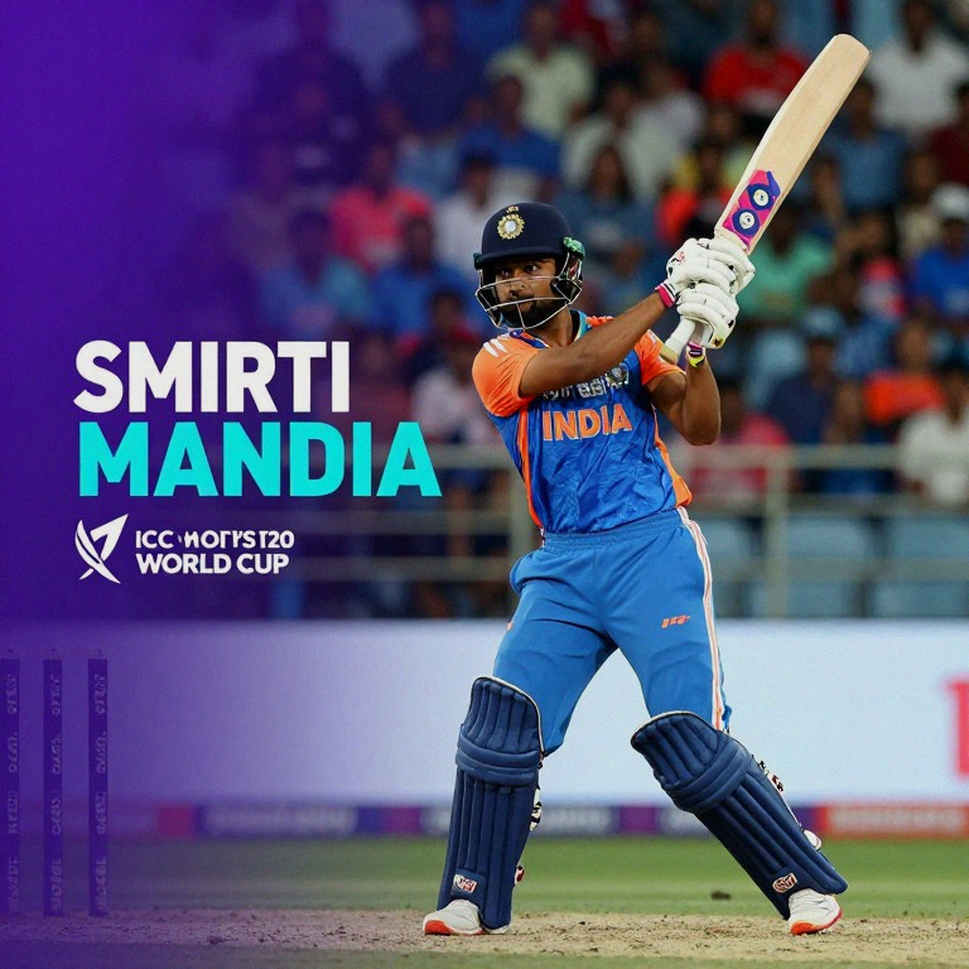
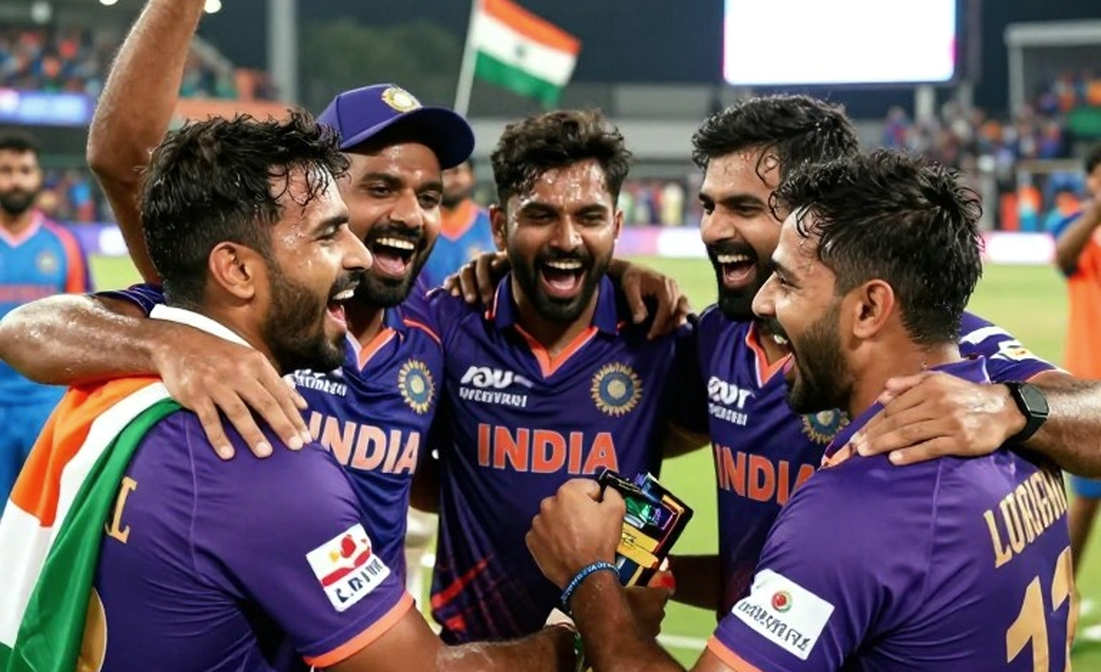
संबंधित खिलाड़ी
लोकप्रिय/पसंदीदा पुस्तकें
Shanto Blames the Bowlers for Mirpur Test Defeat, Leaves the Batting Questions Unanswered2026-11-01
22 Balls of Doom in Gloomy Mirpur: Bangladesh Fight From 35/5 as Weather Shadows the Result2026-11-01
The N/A File: An Eight-Dimension Cricket Audit That Returned No Match2026-10-31
Bangladesh set a 200-run target — what does West Indies want?2026-10-31
Bangladesh Top Order Caves In: Four Down for 33 After 27-Run Lead, Pressure Mounts in Test2026-10-31
अनुशंसित
Hollow Payload, Empty Story: The New Data-Failure Challenge Facing Cricket Newsrooms2026-10-31
The Wrong File on the Cricket Desk: IRIS, the FBR, and the Clause That Decides a Returns Season, Not a Match2026-10-26
The Filled-In Blank: Cricket's Most Expensive Silent Failure2026-10-31
India crush Zimbabwe by 121 runs: the real story of 328/6 is not the twin centuries but the 153-run fifth-wicket stand2026-10-30
Page Nine's Scorecard: Where Asian Women's Cricket Is Actually Being Scored2026-10-30
अनुशंसित
Data Failure in Cricket Analytics: Stage-1 Report Comes Back Empty, Stage-2 Declines to Draw Conclusions2026-10-31
Innings and 31 Runs: South Africa's Real Number Isn't 99, It's 3192026-10-24
Asian Cricket: A Sport Caught Between Market Speed and Governance Drag2026-11-01
Empty Input, Unfinished Report: The Open Story of a Data Failure in Cricket Analysis2026-11-01